| NEW STATE LAWS TAKE EFFECT |
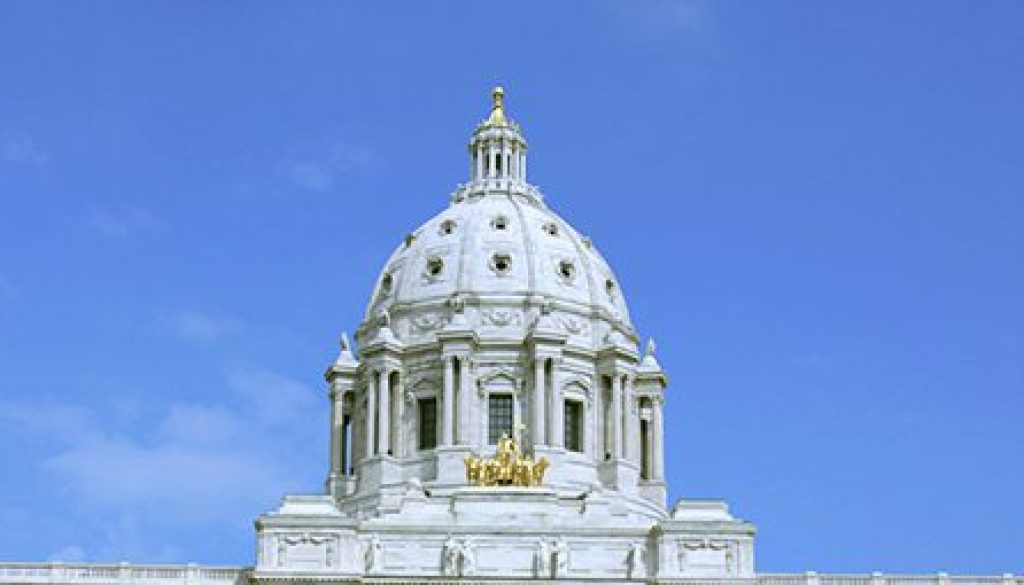
Several new Minnesota laws took effect on July 1, addressing school safety, state technology, public safety, infrastructure investments and social media use.
|
- School districts are now required to implement anonymous reporting systems that allow students, staff and community members to submit tips about potential safety concerns. Districts have until July 1, 2028, to fully implement these systems, which must be capable of sharing information with the Minnesota Departments of Public Safety and Education.
- The state also approved funding to modernize outdated government IT systems, many of which support social programs like Medicaid and SNAP and have not been significantly updated in decades.
- A $46.5 million cash bonding package provides funding for projects across Minnesota, including improvements to water treatment infrastructure, healthcare facilities, parks and other community projects.
- In public safety, lawmakers appropriated funding to enhance security at the State Capitol and courthouses, support State Patrol staffing and overtime, and continue de-escalation training for law enforcement officers through the Philando Castile Memorial Training Fund.
- A new social media law requires certain platforms to display a mental health warning each time users open the app. The warning highlights potential mental health risks associated with social media use and includes information about the 988 Suicide & Crisis Lifeline.
|
| EARLY VOTING BEGINS |
|
Early voting for Minnesota’s 2026 primary elections began on June 26, so voters are already casting ballots ahead of the Aug. 11 primary. Election officials anticipate higher-than-normal primary turnout due to several competitive statewide races, including open contests for governor and U.S. Senate.
This election cycle also marks the first use of Minnesota’s new in-person early voting option. In addition to traditional absentee mail-in voting, which begins 46 days before the election, voters will be able to cast ballots directly at designated polling locations beginning 18 days before the election. Election officials say the new system is designed to provide a voting experience similar to Election Day, while adding convenience and flexibility. Minnesotans can begin voting absentee on June 26, either by mail or in person, with ballots due to local election offices by 5 p.m. on Election Day.
The ballot will include races for governor, U.S. Senate, the Minnesota Legislature, congressional seats, and various local offices. All 201 legislative seats are up for election this year.
Find more information on early voting here.
|
ADVOCACY TOOLKIT:
MAKING THE MOST OF THE LEGISLATIVE INTERIM |
|
When the Minnesota Legislature adjourns each spring, lawmakers return to their districts for the legislative interim, the period between the end of one session and the beginning of the next. While committee hearings and floor debates pause, advocacy does not.
In fact, the interim is often the most valuable time to engage lawmakers. Legislators generally have greater flexibility in their schedules and spend more time meeting with constituents learning about the issues that will end up shaping the next legislative session.
The interim presents an opportunity to build relationships long before legislation is introduced. No matter what issue you’re discussing, these conversations help establish you as a trusted resource before decisions are made at the Capitol.
Reflect Before You Reach Out
Before inviting legislators to your facility or job site, take time to evaluate the previous legislative session and think about your priorities for the coming year.
Consider questions such as:
- Are there new laws or regulations that will affect your association?
- Which legislative priorities were successful?
- Which proposals stalled, and why?
- Which legislators became strong advocates for your issues?
- Are there lawmakers you should spend more time educating before next session?
- What issues are likely to return next session?
- How can you better prepare employees, partners, and customers to support your advocacy efforts?
Using the interim to evaluate your strategy will help ensure your outreach is purposeful and focused.
Invitation
|
|
The invitation itself doesn’t have to be long, but it should include logistics (date, time, location and enough information to give elected officials an understanding of why they are being invited, how the event ties into their legislative work, and what is expected of them. Here’s a quick example:
Dear Senator/Representative [Last Name],
My name is [Name], and I am [Title] with [Association],
We would like to invite you to visit our [facility] on Friday, October 11, from 10:00 to 11:30 a.m. for a guided tour and discussion about the work our team does every day.
We will meet at [Address] at 10:00 a.m., with the tour concluding around 11:30 a.m. If your schedule allows, we would be pleased to continue the conversation with members of our team.
We hope you can join us. Please contact [Name] at [phone/email] if you have any questions or to confirm your availability.
The invitation can be sent via email, phone, or even in person. But a follow-up via email or phone call with their office and their staff is always a good idea! Make sure to send out the invitation three to four weeks in advance so they aren’t already committed to other events!
Preparing for a Successful Visit
|
|
Once your legislator has accepted the invitation, it’s time to finalize the agenda and prepare for the visit. A well-planned tour helps legislators better understand your organization and the work you do.
Develop an itinerary that highlights the strengths of your organization. Think about the story you want to tell.
Whenever possible, introduce legislators to the people behind the work. Personal stories about building careers in the industry, serving local communities, or overcoming project challenges often leave a strong impression.
The choice of tour guide is crucial. Pick someone who knows the facility well and can confidently answer questions. While senior leaders can be on hand to engage with legislators, it’s often better for someone else to lead the tour so leadership can mingle.
Finally, think about the extra details that create a positive experience. Prepare name badges for participants, assemble informational packets with background on your association, and include materials highlighting priorities or recent projects. Offering bottled water, coffee, or light refreshments can also help create a welcoming environment and encourage meaningful conversation.
Advocacy Doesn’t End with One Visit
|
|
Hosting legislators is only one way to stay engaged during the interim. Consider other opportunities to connect with your legislators throughout the year. You might:
- Schedule one-on-one meetings with them in their legislative district.
- Attend town halls and community events.
- Invite legislators to association events.
- Share updates via email about major projects.
- Offer to serve as a resource for legislators.
Consistent communication builds familiarity and trust, making it easier for legislators to turn to your organization when issues arise.
Follow Up
|
|
One of the simplest advocacy tools is expressing appreciation.
After the legislative session or following a site visit, take a few minutes to thank legislators and their staff for their time and engagement. Whether they supported your priorities or simply took the time to learn more about your organization, a handwritten note, email, or phone call reinforces the relationship.
Advocacy Is a Year-Round Effort
|
|
Successful advocacy isn’t built during the final weeks of the legislative session—it happens throughout the year.
By using the interim to foster relationships, host facility visits, and educate legislators about your industry, your association members can help shape conversations before legislation is introduced.
|
|
|
|