
Ewald at the Capitol: Legislature Passes State Budget in Special Session
|


|
|
Membership retention is something all associations strive for. The International Magnesium Association (IMA) has succeeded in increasing its member retention over the past few years. From the end of 2021 to the end of 2024, membership has grown by 45%, reflecting strong engagement and continued interest in the IMA community. Not only is this a great increase in membership, members are renewing earlier in the year.
The IMA provides members with industry resources and information regularly through newsletters, educational webinars, and committee meetings throughout the year. With an international reach, IMA has committees representing a variety of interests across the magnesium industry. It’s important to make your association members see value consistently all year long to ensure that they view membership as a necessity.
Like most associations, the IMA offers a registration discount to members for its Annual Conference. These conferences provide attendees with the opportunity to connect with other industry leaders from across the world that they may not normally get to interact with. Conferences can be a big draw for membership renewals and new potential members.
Cost can often be a deciding factor when individuals or companies consider whether or not to become members of an association. By offering a variety of membership options, your association can better meet its recruitment goals and appeal to a broader audience. Flexible membership categories can be an incentive to join — such as those tailored for students, retirees, or other specific groups. In addition, having a discounted introductory membership option, similar to what the IMA offers, can be an effective way to engage potential members who may be hesitant to commit initially. To further encourage new members, IMA has just initiated a new member type for small businesses/start-ups.
IMA has an active membership committee. Committee members pay attention to industry trends and potential members to help identify new member segments and benefit options. IMA also has two regional staff representatives who network with members and non-members and conduct outreach to current and prospective members, including at events hosted by other organizations. Association staff also play an essential role in carrying out the day-to-day activities on behalf of the committee; staff can also recommend ways to make the membership decision easier for current members. In 2024, we introduced a direct payment link for dues — so members didn’t have to login and manually complete the renewal process. Our data show that a more seamless renewal process has contributed to improved retention.

At a meeting of association CEOs hosted by Ewald Consulting in March 2025, participants discussed how to shift a board governance from a culture of oversight to one of engagement — so board leaders focus on strategy more than operations.
It can be easy for a board to go down a rabbit hole of focusing on operational details instead of strategic discussion and decisions. Here are some tactics that can help maintain focus:
Additionally, carefully building a strategy-focused agenda for each board meeting can also help the board keep its focus on the bigger picture. One of our Associations Trends Talks addressed this topic.
Sometimes, despite our best efforts, meeting discussion can go off topic or get stuck in wordsmithing. Every board member should feel comfortable bringing things back to the agenda — and so should the chief staff officer. Participants noted the need to “call board members back” rather than “calling them out” for crossing into discussion of operational items. While subtle, this reframing of the action keeps the positive intention behind it and disarms concern about getting stuck in a “gotcha” moment.
Clarity of roles is essential in creating a mission-driven, engaged board of directors. Some ideas for creating that clarity include:
In turbulent times, it’s more important than ever for association boards to consider how they are meeting the organization’s mission and the needs of members. It requires strategic thinking rather than obsession with details.
Want to join our CEO roundtables? Reach out to Paul Hanscom.
Want additional resources to lead your association strategically? Sign up for our Ewald Advantage monthly newsletter.
|
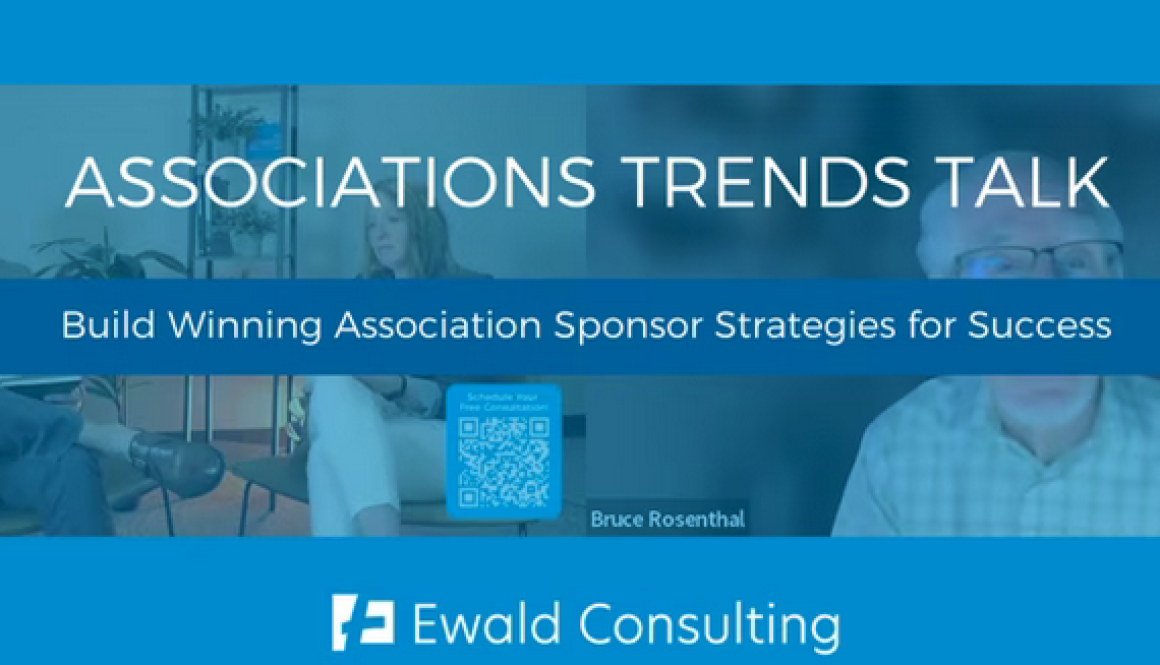
Blake Finger, Betsy Pierre and Bruce Rosenthal — experts in association sponsorship and sales — held a lively discussion of trends and top tips for building successful sponsorship programs. Seven of the key takeaways from the conversation include:
Watch the video of this webinar for all the details and ideas.
Sign up here to make sure you receive future announcements about upcoming Associations Trends Talks.
|
|
|
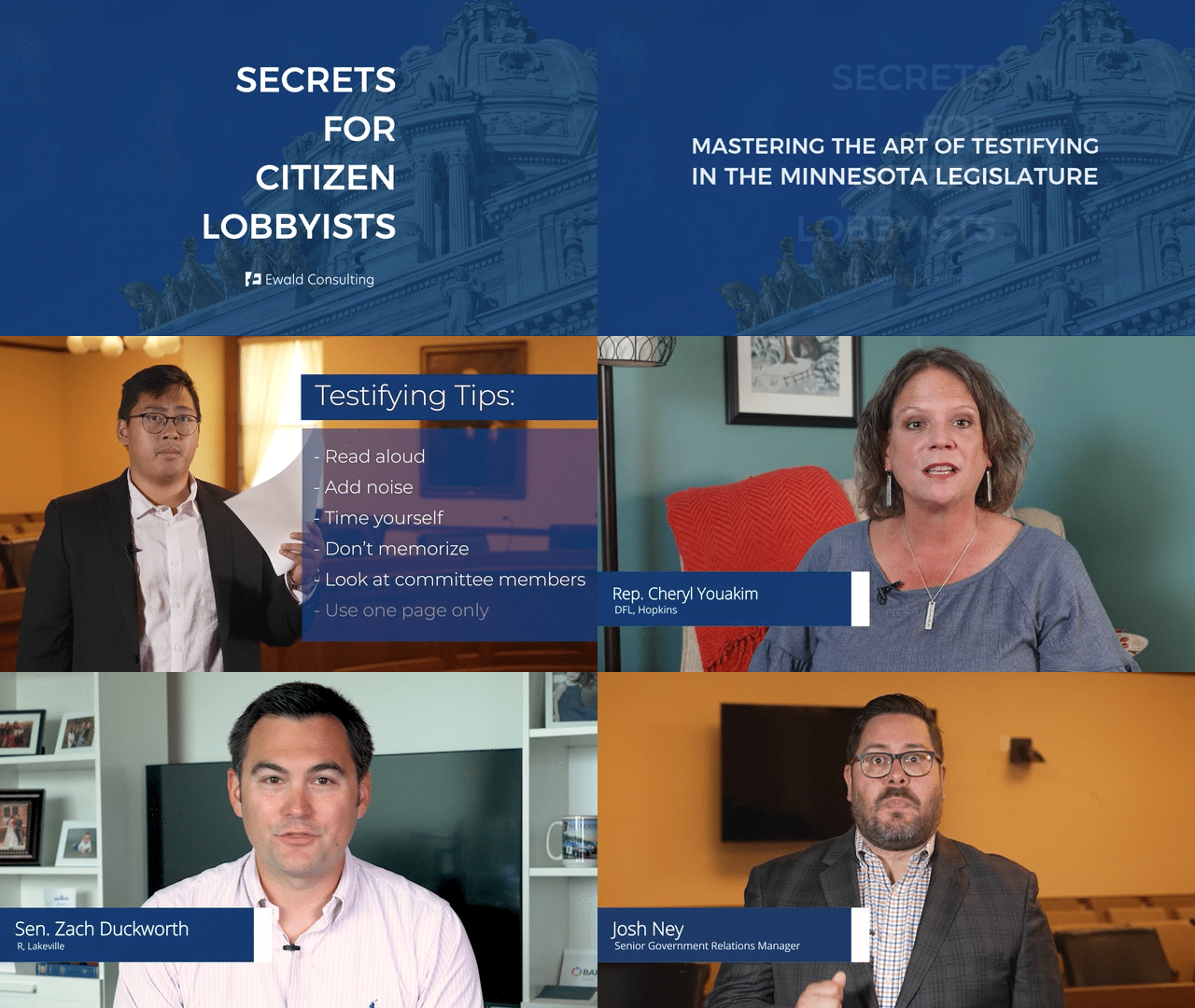
The legislative process can often seem opaque and inaccessible to the average citizen. However, personal testimonies from constituents play a crucial role in shaping policy decisions. In this post, we’ll share real stories of how citizen testimony has made a significant impact at the Minnesota Capitol, illustrating the power of public engagement. For more inspiring examples and practical advice, watch our video on testifying before the Minnesota legislature.
Citizen testimony provides legislators with valuable insights and firsthand accounts of how proposed laws affect their constituents. Unlike lobbyists, who represent specific interests, citizens speak from personal experience, making their contributions unique and highly impactful.
One powerful example of impactful testimony comes from a recent affordable housing initiative. A constituent who had benefited from housing vouchers shared her story before a legislative committee. She detailed how the vouchers helped her transition from homelessness to stable housing and eventually to home ownership. Her testimony highlighted the real-life benefits of the program, helping to sway undecided legislators and secure additional funding for the initiative.
Another compelling story involves an environmental protection bill. A local farmer testified about the detrimental effects of pollution on his crops and livelihood. He provided data on crop yields and health issues in his community, linking them directly to pollution from nearby industrial activities. His detailed, fact-based testimony helped pass stricter environmental regulations, protecting both the environment and public health.
These stories underscore the importance of citizen engagement in the legislative process. Here’s why your testimony can make a difference:
To make your testimony as impactful as possible, consider these tips:
Public testimony is a powerful tool in the committee process. By sharing your experiences and insights, you can help shape the laws that govern your community and state. For more real-life examples and guidance on how to make your testimony effective, watch our video on testifying before the Minnesota legislature. Remember, your voice matters. Engage with your legislators, testify before committees, and make a difference in the lives of Minnesotans.
|
|
|

By David Ewald
Today’s associations are feeling the effects of new work styles, changing technology, and policy shifts from the new administration. Staying relevant in this environment isn’t easy, but it is possible. Here are four areas where associations can focus their efforts to remain valuable to members and partners.
Remote and hybrid work are common in many industries, while in others there is a recent “return to work” trend. Still, employees want flexibility, and they expect their associations to meet them where they are—whether online or in-person. This means offering more virtual events, online community forums, and on-demand resources. Younger professionals, in particular, want easy-to-use digital tools and frequent feedback. Associations that embrace these expectations can strengthen member loyalty and reach people who might not otherwise attend face-to-face meetings.
Government policies can change how associations operate. During the new administration, issues like trade, immigration and international relations are getting a lot of attention. Associations must keep a close eye on any legal or regulatory updates that affect their members. By staying active in advocacy, associations can help shape policies that support their industries or professions. This also means being ready to shift gears when new rules or changes pop up, so members don’t fall behind.
Technology tools are everywhere, and associations should use them to gain insights and improve services. Data can reveal which member benefits are popular, where there’s room for growth, and how to tailor communication. Tools like AI-driven analytics help associations spot trends and give members the right resources at the right time. AI is here to stay, so take the time to learn more about what it can do to improve the experience of your members and the satisfaction of staff. Staff may be reluctant to adapt to the availability of AI tools, which is consistent with the rest of the workforce in the U.S. But these tools can help improve service and also help staff streamline what they do while improving it at the same time. The key is not to rely on technology alone, but to pair it with personal interaction. This balance helps members feel seen and supported.
In the end, associations are about building connections among people who share common goals or interests. This could mean in-person networking, mentorship programs, and leadership development opportunities. Simple gestures — like quick follow-ups after events or personalized thank-you messages — go a long way toward making members feel valued. When associations focus on people, they create a sense of community that technology can’t replace on its own.
Associations that can adapt to new work models, track political trends, use technology effectively, and keep strong personal connections will stand out in today’s environment. By making these shifts and staying focused on member needs, associations can remain key players in their fields for years to come.