
Ewald at the Capitol: Election Results, Budget Update
|
|
|

|
|
|
|
September 19, 2025 |
Xp Lee Wins Special Election, Restores Tie in Minnesota HouseDFLer Xp Lee won the 34B (Brooklyn Park, Champlin, Coon Rapids) special election on Tuesday to fill the seat of late Speaker Emerita Melissa Hortman, securing 60.82% of the vote to 39.11% for Republican Ruth Bittner. Lee is a former Brooklyn Park City Council member and health equity analyst, born in a refugee camp in Thailand. His win restores the Minnesota House of Representatives to a 67-67 tie between the DFL and Republicans, preserving a power sharing agreement crafted in 2025 after election results left neither party in full control. Under that deal, committee leadership and many legislative processes are split evenly or require bipartisan cooperation. Lee has pledged to “work hard every day” to carry forward Hortman’s legacy and campaigned on priorities like education, healthcare access, and infrastructure. Walz Running for 3rd TermOn Tuesday, Gov. Tim Walz ended months of speculation and announced he is running for a third term in 2026. In a video posted online, Walz outlined his priorities if reelected — including combating fraud in state government, making health care more affordable, investing in public education and addressing gun violence. On the Republican side, three candidates have declared their campaigns for governor: 2022 Republican nominee Dr. Scott Jensen, businessman Kendall Qualls, and State Representative Kristin Robbins, who currently chairs the newly formed House committee on fraud prevention. If reelected, Walz would become the first governor in state history to win three consecutive terms. Gov. Walz has not announced his running mate. Current Lt. Gov. Peggy Flanagan is running for the United States Senate seat being vacated by U.S. Senator Tina Smith. Minnesota Receives Top Credit Rating
Executive Order to Address Fraud in State Programs
Minnesota Sees Job Growth in AugustMinnesota added 5,900 jobs in August, showing stronger growth than the flat national employment trend, according to new data from the Department of Employment and Economic Development (DEED). The state also added nearly 1,100 workers to its labor force, while the unemployment rate ticked up slightly to 3.6%, which is still below the national rate of 4.3%. Over the past year, Minnesota has gained more than 39,000 jobs, a 1.3% increase that outpaces the national growth rate of 0.8%. Private sector growth was even stronger at 1.4%. Construction, education, and health services led August job gains, while government and manufacturing saw losses. Early Voting Starts TodayIn local communities around Minnesota, early voting starts today (Friday, September 19) for general elections on Tuesday, November 4. This includes early voting for two state senate seats that are currently vacant: SD 29, previously held by Sen. Bruce Anderson (who passed away this summer), includes much of Wright County and parts of Meeker and Hennepin Counties. The candidates are Republican Michael Holmstrom, Jr., and DFLer Louis McNutt. SD 47, previously held by Sen. Nicole Mitchell (who resigned this summer), includes parts of Washington and Ramsey Counties. The candidates are DFLer Rep. Amanda Hemmingsen-Jaeger and Republican Dwight Dorau. Ewald Consulting Government Relations ToolkitWe are sharing content to help you better understand the legislative process and how to engage effectively. From decoding how the Legislature works to learning how to advocate for your priorities, these resources are designed to support your advocacy every step of the way. This week’s article outlines what to expect when meeting with legislators. Article Link: |
|
|
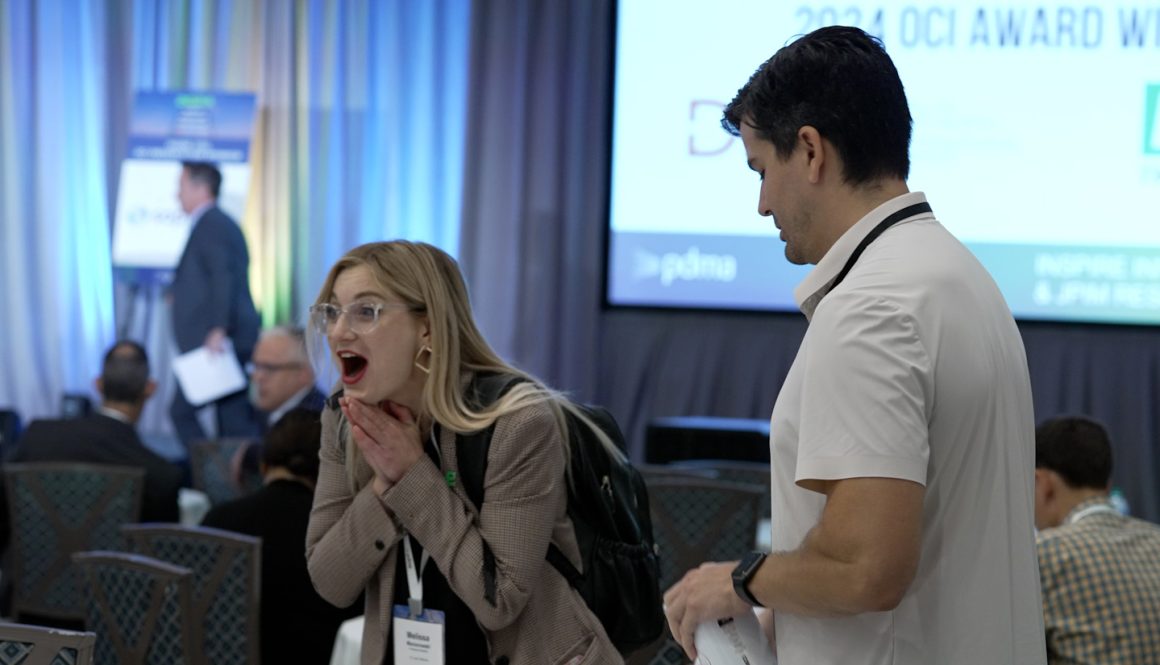
Many associations hold annual conferences in autumn. Associations are uniquely positioned to do more than deliver information during these events — they can create transformative experiences that resonate long after attendees return home. At Ewald Consulting, we believe the most successful events don’t just inform; they inspire, energize and unite. They create “wow moments” that surprise and delight attendees and spark lasting connections. These moments become stories attendees tell and retell, reinforcing the value of your organization.
A conference is more than a gathering. It’s a rare opportunity to activate your community in a shared experience of volunteer leaders, members, exhibitors and thought leaders. When we design events with wow moments in mind, we turn passive participation into emotional investment. That investment fuels member retention, increases engagement, and amplifies word-of-mouth promotion for future events.
Some of the most memorable experiences come from intentional collaboration. When volunteer leaders are part of the planning and delivery, their passion becomes infectious. When speakers go beyond slides to share their wisdom and humanity, they elevate the learning experience. When exhibitors feel like valued partners rather than salespeople, they engage more meaningfully. At Ewald Consulting, we work closely with clients to align all these voices into one cohesive, compelling experience.
At their best, conferences serve as a heartbeat for the association. They affirm identity, share purpose and remind every participant: You are part of something bigger. The wow moments are not fluff; they are the emotional glue that binds learning to loyalty.
As we support our clients this conference season, our goal is simple: to turn every event into a shared experience that leaves your members saying, “I can’t wait to come back.”
|
September 12, 2025 |
Special SessionGov. Tim Walz met with legislative leaders this week to discuss a potential special session on gun violence, following the horrific shooting at Annunciation Catholic Church in Minneapolis. Because the legislature is evenly split along party lines, bipartisan support will be necessary to pass any legislation. This may prove to difficult due to differing policy priorities. Many Democrats support banning assault-style and semi-automatic firearms, while Republicans have proposed increasing funding for school safety and mental health resources and repealing Minnesota’s ban on conversion therapy. Typically, agreements on which bills will be passed are made between the governor and legislative leaders before a special session is called. However, Gov. Walz stated he’s willing to move forward regardless, saying, “I will call a special session one way or another. Just have the hope. Just bring it up. Have the discussion … Maybe it doesn’t pass because the numbers aren’t there, but at least we’re going to know.” Speaker of the House Lisa Demuth has said, “What we are looking for is bipartisan solutions that will make a difference, will keep kids and Minnesotans safer, and those are the things we want to work on. We have to have continued conversations and explore the root causes of why things happen. Not just doing a knee-jerk reaction.” House Democrats Select New LeaderOn Sept. 8, House Democrats selected Rep. Zack Stephenson (DFL-Coon Rapids) as their next caucus leader. The leadership of House Democrats has been vacant since the tragic assassination of Speaker Emerita Melissa Hortman and her husband Mark in June. Stephenson, now in his fourth term, co-chairs the House Ways and Means Committee and serves on the Taxes and Commerce committees. Senate Democrats Announce New Subcommittee
Senator Miller Announces Retirement
State Budget UpdateThe August Revenue and Economic Update from Minnesota Management and Budget (MMB) showed the state’s general fund revenues totaled $2.1 billion in August, $86 million, or 4.2% above the February forecast. This is due to income and sales tax collection exceeding prior expectations. A more complete picture of state finances will be available in the October Revenue and Economic Update, which will include data from July through September. State Fair Poll ResultsThe nonpartisan House Public Information Services Office and the Senate counterpart conducted their annual State Fair Polls to gauge where Minnesotans stand on key issues. It should be noted that this is not a scientific poll. Here are the responses for some prominent issues:
Full House poll results can be viewed here. Full Senate poll results can be viewed here. These are not scientific polls and should be viewed for entertainment purposes only. Ewald Consulting Government Relations ToolkitWe have started sharing content to help you better understand the legislative process and how to engage effectively. From decoding how the Legislature works to learning how to advocate for your priorities, these resources are designed to support your advocacy every step of the way. This week’s article covers developing and implementing a legislative plan. Article Link: |
|
|
|
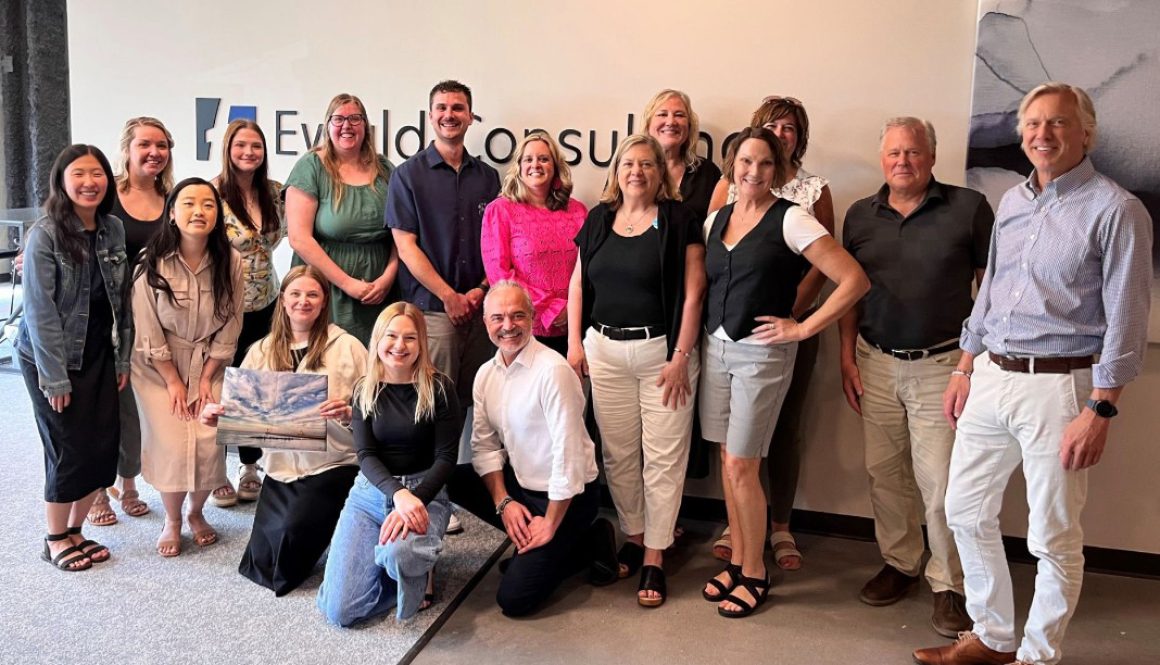
Contract negotiation isn’t just about fine print — it’s about strategy, relationships and collaboration. After attending a three-part training series on contract negotiations, our team walked away with insights that are practical, empowering and rooted in partnership. Huge thank you to Therese Jardine with Strategic Event Procurement for this impactful training.
Here are the top takeaways that are reshaping how we approach contracting:
One of the biggest mindset shifts was this: negotiating shouldn’t feel like a battle. It’s a two-way dialogue where both sides are working toward a shared goal. Whether you’re planning an event or booking a room block, the goal is the same — successful business for everyone involved. Approaching negotiations with curiosity rather than confrontation can change the tone of the entire process.
Instead of asking “why,” try asking, “What are your concerns?” or “What do you need to make this work?”
Contracts aren’t set in stone — room rates, food and beverage minimums, cancellation clauses, even AV fees can often be adjusted, and are dependent on so many factors. One key lesson: don’t assume anything is off-limits just because it’s labeled “standard.” From attrition policies, cancellation clauses and standards of service, you have room to shape terms that work for your event’s specific needs.
While keeping a paper trail is important, we were reminded that some of the best progress happens through a phone call. A quick, direct conversation can eliminate confusion, build trust, and move things along faster than a chain of emails ever could.
Before any negotiation, do your homework. Know what your priorities are (must-haves vs. nice-to-haves) and take time to understand the goals of your counterpart. What pressures are they facing? What does success look like for them? A solid plan — grounded in both self-awareness and external awareness — sets the tone for a productive conversation.
Contracts are temporary — reputations are long-term. That’s why professionalism at the table matters. Don’t negotiate against yourself, and don’t let frustration derail the conversation. Staying composed and collaborative helps build credibility, trust, and better opportunities down the line.
Every organization — and every hotel — has different operating needs. There is no one-size-fits-all contract. We learned not to be afraid to rework or rewrite clauses in ways that suit the specific context. Just because a clause has always looked a certain way doesn’t mean it has to.
Finally, contract negotiation is a skill — one that gets stronger with experience. After each negotiation, pause to ask: How did that process feel? What went well? What would I do differently next time? These reflections are where real growth happens.
Contracting is more than transactional — it’s relational. With preparation, curiosity, and a collaborative mindset, negotiations can become opportunities to strengthen partnerships and create real value for both sides.
If there’s one golden rule we’re taking forward: Don’t be afraid to ask. The worst answer you’ll get is “no” — and even then, it opens the door to a new conversation.
|

Every day of the year has observances. Some are lighthearted (like National Hazelnut Cake Day and National Cream-Filled Donut Day) and some help to raise awareness or funds for causes or professions like Giving Tuesday. The team at Ewald Consulting has been able to capitalize on these celebrations and observances for our clients, increasing the name recognition for the associations and tapping into the energy focused observances can bring to the industries they serve. Our work has helped increase visibility for the National Association of Productivity & Organizing Professionals (NAPO) GO Month, the American Society of Extracorporeal Technology (AmSECT) Perfusion Week and the Society of Vascular and Interventional Neurology (SVIN) participation in World Stroke Thrombectomy Day, among others.
Here are some tips and success stories from our marketing experts to help make your awareness event a success.
Just like planning for a conference, it is vital to plan in advance (more than 6 months if possible, with 12 months even more desirable) when planning any observances for your association. Our marketing team collaborates across an association’s entire staff and with committee volunteers so that everyone knows the plan and has input along the way. Allow ample time for any applicable staff and volunteer teams to review the plan as well as deliverables.
It’s essential for the marketing team to collaborate with association committees. Volunteers provide insights on what is likely to resonate with members and other audiences. They can provide subject matter expertise — and help with the tasks involved in a successful observance. Ewald Consulting Marketing Manager Rebecca Wegscheid says, “Having (an involved volunteer as point person) takes the responsibility solely off the shoulders of staff and allows our subject matter experts, our member volunteers, to own a key part of the campaign and to provide key insights into relevant topics and trends.” NAPO’s marketing team also coordinates with our Sales & Partnership Development team to highlight NAPO’s business partners. Having clear policies and communication about partner benefits and deadlines helps set expectations.
Know your targets and your messaging. Learn whether there are other organizations or associations that your association could collaborate with to make an even bigger impact. If you are just beginning a collaboration, it can take time to make the right connections and work through any formal agreements. Here are a few examples of associations that partner to make a bigger impact:
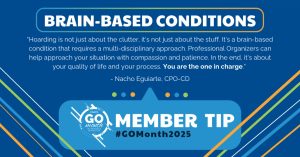
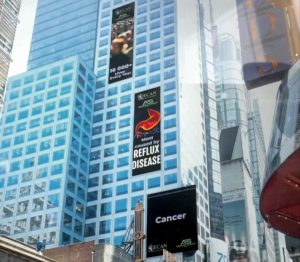
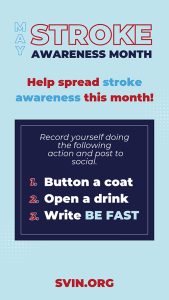
Our marketing team has found that toolkits help members to create their own unique messages as well as ensuring that social media posts and other user-created content stay true to the association’s brand. We provide access to the toolkits (which are usually housed on the association’s website) early and communicate often through standalone emails, newsletters, and other communications. For NAPO’s GO Month, we share the first mention of the event about six months in advance, with reminders about a month before the observance begins; we then follow up with additional resources each week. During GO Month, we send information and reminders with messaging, hashtags, and NAPO’s profiles. NAPO has a very active member online community, making it a great avenue to share information. If the association has chapters or special interest groups, be sure to engage leaders of those groups to help push out messages. Because every association has its own preferences for communication, put out your messages on the channels where you know members will see and respond to them.
NAPO also holds a contest during World Organizing Day, where prospective members can win a year of membership and current members can get a free year of membership. NAPO does collect data from people for this contest on Instagram, but we keep the process as simple as possible so that the barrier to participation remains low.
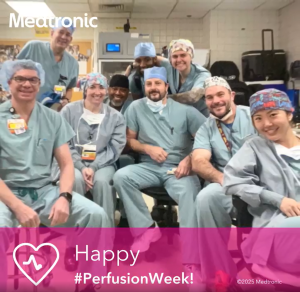
During Perfusion Week (May 1-7 each year), our team has increased the impact of member social media posts by liking, sharing and reposting. Rebecca notes, “The more you engage with other people’s content, the more they engage with yours. It can snowball fast and keep energy high.”
We gauge the effectiveness of our clients’ work through website analytics, social listening and other tools. We can see where traffic is coming from and the pages where visitors land on the website; it can tell us which social media platforms work best for different associations and where to focus our work next time. It’s also important to look at year-over-year metrics to see trends and identify the strategies and tactics that worked best (as well as what may need to be tweaked).
For example, during GO Month, traffic on NAPO’s website and social media channels is very high, as is engagement. Traffic and engagement in the following month or two is likely to be much lower — but still above the annual average.
It can take several years to see an awareness celebration really take flight. GO Month has seen greater participation and better results every year.
To help lay the groundwork for success next year, inform members about your success once this year’s event concludes. AmSECT includes a house ad in its quarterly newsletter and shares social media posts about Perfusion Week, for example.
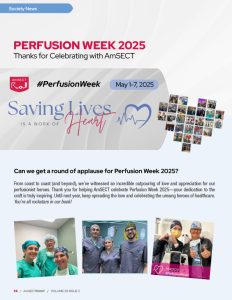
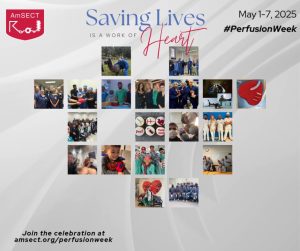
Annual awareness celebrations inform the public about the importance and power of your profession. With planning, measurement and follow-through, these events can improve name recognition and brand awareness for the organization.
To learn how we can help your association achieve success, contact us at info@ewald.com.
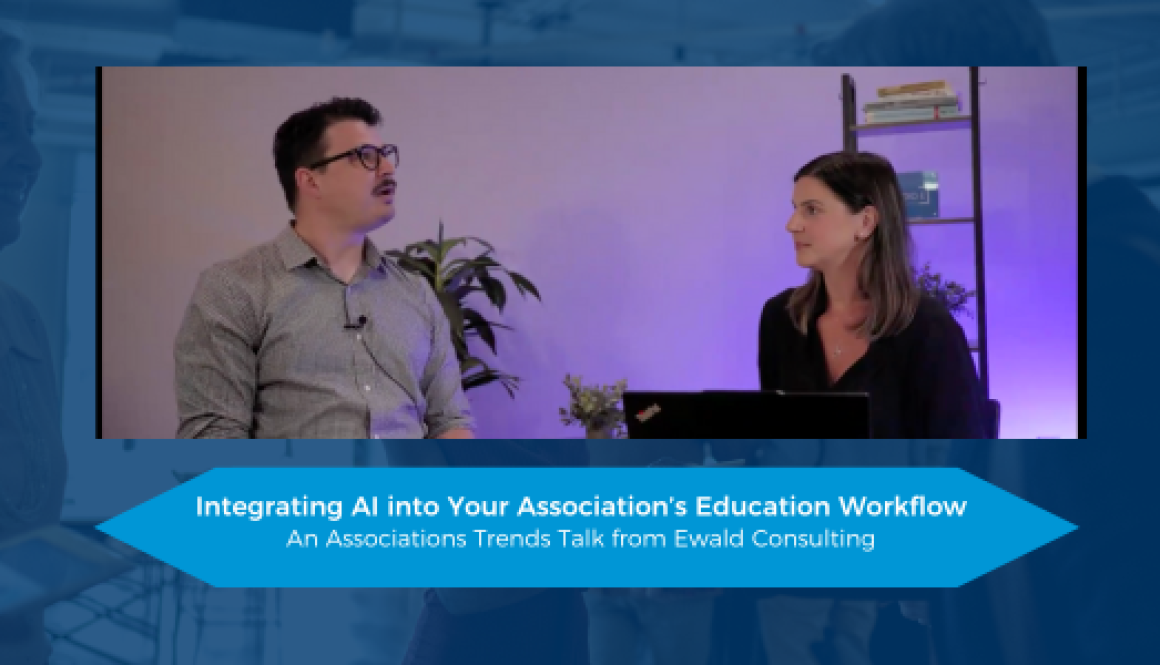
Looking for ways your association can improve the learning opportunities you provide to members? At our July 16 Associations Trends Talk, Ewald Consulting Directors of Professional Development Jessica Truhler and Danial Davis offered advice for how associations can use AI to create new professional development opportunities or improve on existing learning programs. Here are some of their top tips.
AI can handle an incredible array of tasks, from developing outlines for a learning program, generating marketing content or suggesting learning paths. It’s also great at handling repetitive tasks, thereby freeing up people’s time so we can use our uniquely human skills (such as empathy, creativity and context). But AI has limitations. For instance, many certification and credentialing bodies have restrictions on the ways AI can be used.
AI is only as smart as the data it’s trained on. Ask these key questions when determining how to use AI:
- What data do we already have? (e.g., completion rates, assessment scores, job roles, behavioral data)
- Where is the data stored?
- Do we have permission to use this data?
AI can help improve accessibility by translating material into a different language or creating transcription that can be used to create subtitles. But this information still needs to be reviewed by subject matter experts or people who natively speak the translated language to ensure accuracy.
Key considerations for keeping humans in the loop:
- Identify which decisions must remain human-led.
- Train staff on ethical and effective AI use.
- Automate with intention—not just for the sake of automation.
Many AI tools are available already, and many of the Learning Management Systems (LMSs) on the market are integrating AI. To begin your journey, choose tools that are easy to implement and align with your existing systems, provide high value to members and have a low risk. Try a pilot program with a select group of volunteers to ensure that all elements of the program are working as envisioned before a full launch.
However you decide to use AI at your association, you need clear policies — about who can use it and how it’s used. AI-generated content needs to be labelled as such. If you’re feeding in proprietary information to an AI system, you need to be sure that appropriate privacy settings are in place.
Set Clear Boundaries:
- Define acceptable AI use with a formal AI Use Policy.
- Establish review processes for AI-generated content.
- Monitor AI for bias and inaccuracies.
Transparency:
- Label AI-generated content.
- Remind stakeholders AI isn’t always accurate.
Use metrics to track your success. Choose just two or three measures to begin with rather than trying to measure everything. Focus on the metrics that matter most to your organization:
When staff and volunteers have competing demands on their time, AI can help streamline your processes and automate some repetitive tasks. To use it effectively, association leaders need to keep three guiding questions in mind: What problem are we trying to solve? Will AI help solve it in a meaningful way? Are we maintaining authenticity in our learning experience? By focusing on these questions and emphasizing that AI supports people rather than replacing them, we can continue to improve the learner experience for our association education programs.
“We are your people. Come … and be among your people.”
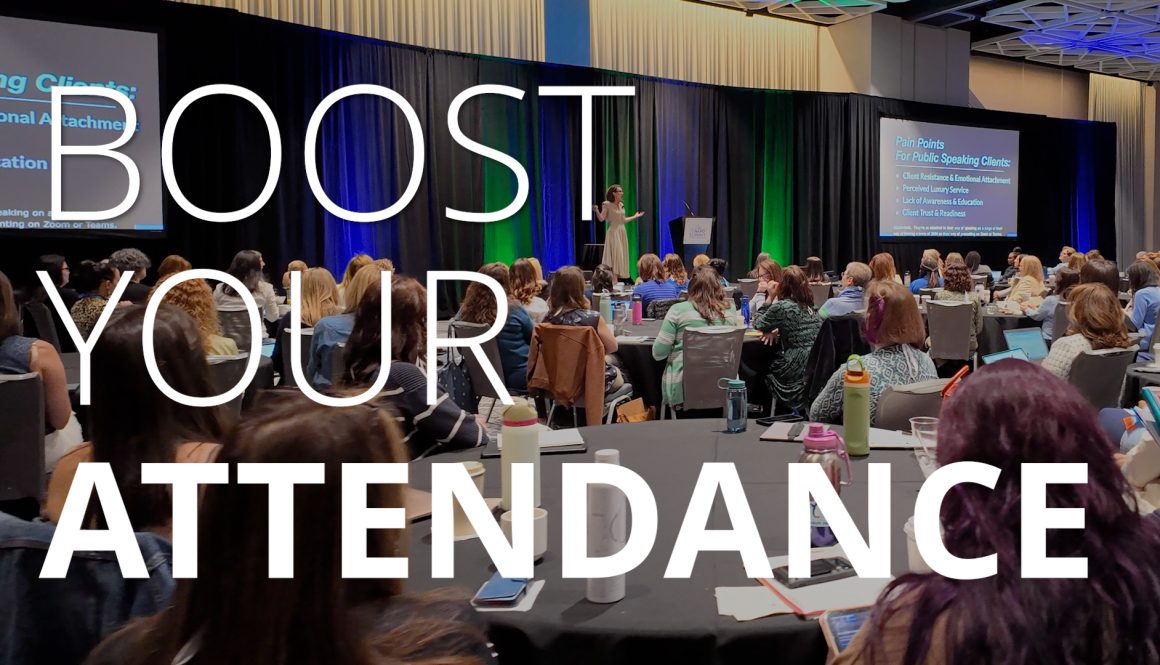
Looking to increase conference attendance for your association’s next big event? In today’s crowded event calendar, encouraging members to register is a key challenge. The most compelling arguments for attending often come directly from those who’ve experienced it, or the experts shaping its content.
Watch a 1-minute video showing the power of attendee testimonials.
Hearing directly from peers about their positive experiences at past conferences can be very influential. When your members share their personal takeaways—the specific learning, networking connections, or unique feeling of being part of the event—it creates a picture that speaks to potential attendees. It helps them envision their own experience and the tangible value they would gain, directly helping to increase event registrations.
“There is something about meeting in person where you can really dive deep.”
Attendees consistently highlight the deep sense of belonging and community they find. As one member put it, “AAMSE is the one place I can meet with people who understand what I do for my job and it’s the place I feel like I belong.” Many describe the conference as feeling like a reunion with cherished colleagues, offering unique networking opportunities. Members also value informal discussion sessions where they can “offer solutions to all … that we are facing,” gaining tangible takeaways for their practice.
Gathering these honest accounts can be challenging, especially with geographically dispersed members. Studio E helps associations overcome this. We capture these important perspectives, ensuring clear audio and video quality, whether in-person or remotely, making it straightforward to collect a range of credible voices that speak to the core benefits of your conference.
Beyond member experiences, the expertise presented at your conference is a primary draw. Showcasing your speakers provides a direct preview of the knowledge and insights attendees can expect. Featuring concise clips of your key presenters offers a glimpse into the quality of the educational program. Speaker promotion for events is crucial for building anticipation and encouraging sign-ups.
“I come every year because the world changes that much every year.”
Attendees frequently emphasize the high quality and relevance of educational content. Many appreciate the convenience of getting all their continuing education credits in one spot, ensuring they “hear something new every year” as the world changes. The conference provides a platform for people passionate about “getting better at what they do every day,” making it a vital resource for professional development.
Studio E helps you select and refine existing video of your speakers. We focus on highlighting moments that convey their expertise and the relevance of their topics, allowing you to spotlight the content that defines your conference. These short previews serve as a clear invitation to learn from leaders in the field and are a vital part of any effective event marketing strategy.
Thinking of a conference promotion video as a strategic asset, rather than just a marketing piece, can transform your approach to attendance. By effectively sharing member experiences and significant speaker insights through video, you provide compelling reasons for people to prioritize your event. Communicating the value directly influences registration decisions, contributing to increased attendance that offsets the video production investment. It’s a powerful way to engage your audience before they even arrive, leading to better conference attendance results.
Beyond formal learning, unique aspects of a conference also add appeal. As one attendee enthusiastically noted, “Puppies. I heard the puppies are great. Everyone loves the puppies. So those will definitely be coming back.”
If your association is looking for effective ways to increase attendance for upcoming conferences, consider how credible member voices and speaker content, delivered via professional video, can strengthen your promotion campaign. Studio E, as part of Ewald Consulting, understands association goals. We offer a clear process for creating influential videos.
To learn more about how a focused video strategy can support your conference goals, contact Studio E today for a conversation: content@ewald.com
See examples of conference promos at: ewald.tv/promo